How to Buy a Vending Machine in 2026: New, Used or a Route

There are four ways to buy a vending machine: buy new from a manufacturer or distributor ($3,000–$6,000), buy used or refurbished ($1,200–$3,000), buy an existing vending route or business (priced on its profit), or buy into a franchise. Buying an existing route is the fastest path to income — you inherit machines, locations, and cash flow from day one — but it carries the most risk, so it needs careful due diligence.
Here’s how each option functions, how much it costs, and how to research a route before making a purchase.
The four ways to buy a vending machine:
| Way to buy | Typical cost | Best for | Main trade-off |
|---|---|---|---|
| New machine | $3,000–$6,000 each | First-timers who want full control | Slowest to revenue — you find locations yourself |
| Used / refurbished | $1,200–$3,000 each | Budget-conscious starters | Higher near-term repair risk |
| Existing route / business | Varies (often ~1–2× annual net profit) | Fastest income, day-one cash flow | Higher upfront cost; requires due diligence |
| Franchise | $10,000–$50,000+ to start | Hands-off owners who want brand support | Franchise fees and less independence |
How to buy a vending machine in 6 steps:
- Choose your path and set a budget — new, used, an existing route, or a franchise.
- Line up a location before buying a standalone machine (a machine with no home earns nothing).
- Source the machine or route — distributors and manufacturers for new, resellers and online marketplaces for used, business brokers and industry listings for routes.
- Inspect everything — machine condition and payment hardware; for a route, the financials and location contracts.
- Verify the legal and financial picture — business licenses, sales-tax permits, and (for a route) liens, lawsuits, and back taxes.
- Negotiate, close, and plan the transition.
Buying-path content (the four options, with numbers)
Option 1: Purchase a brand-new vending machine
A manufacturer or distributor will charge between $3,000 and $6,000 for a new snack, drink, or combo machine. You receive a machine that has never been worn out, the newest cashless and touchscreen payment gear, and a guarantee. This is the slowest route to revenue because you have to start from scratch and identify and win the spot yourself. If you want the newest technology, the least amount of early repair risk, and complete control over where your equipment goes, New is the best option.
If you want the newest technology, the least amount of early repair risk, and complete control over where your equipment goes, New is the best option. read our post on how much a vending machine will cost in 2026 for a complete breakdown of prices by machine type, and read how to locate successful vending machines.
Option 2: Purchase a reconditioned or secondhand device
The most common first purchase is a used machine, which costs between $1,200 and $3,000, or about half as much as a new one. At the top of that spectrum are refurbished machines from a reliable reseller, which often come with updated payment hardware and a limited warranty. Examine the compressor (on refrigerated models), the coin mechanism and bill validator, if the machine accepts a current card reader, and the model’s parts availability before making a used purchase. A $1,500 machine that requires a $300 card reader and a $600 compressor is not a good deal.
Examine the compressor (on refrigerated models), the coin mechanism and bill validator, if the machine accepts a current card reader, and the model’s parts availability before making a used purchase. A $1,500 machine that requires a $300 card reader and a $600 compressor is not a good deal.
Option 3: Purchase an already-existing vending route or company
This is the quickest way to start making money because you don’t have to spend months or years starting from scratch because you inherit equipment, location agreements, and occasionally devoted clients right away. The catch is risk: a seller’s spreadsheet only counts if the figures are accurate, so thorough investigation into the seller’s motivation for selling, the financials, the equipment, the location contracts, the reputation, the inventory, the workload, and the legal and tax picture is necessary. Typically, route prices are expressed as a multiple of the yearly net profit.
Money follows the truth, which is the catch. Before you sign anything, do your homework on the company. A seller’s spreadsheet only counts if the data are accurate.
#1 Understand why the seller is selling

Ask directly: Why is the owner leaving? There are many valid reasons, such as retirement, moving, changing careers, or a need for money, but a sale can also conceal declining sales, poor location contracts, or machines that break down frequently. Don’t accept the first response; instead, ask follow-ups and look for confirmation in the financials, the machines, and conversations with location managers. If the stated reason is personal and the numbers still appear solid, that’s usually a real opportunity rather than a problem being offloaded.
#2 Verify the financials
Sellers adore eye-catching spreadsheets, but you are purchasing reality rather than the report. Verify that bank deposits correspond with reported cash flow, that sales figures match real cash collected, and that there are no unexpected seasonal or recent revenue declines. Real earnings are strongly shown by clean records and matching bank statements.
#3 Inspect the machines
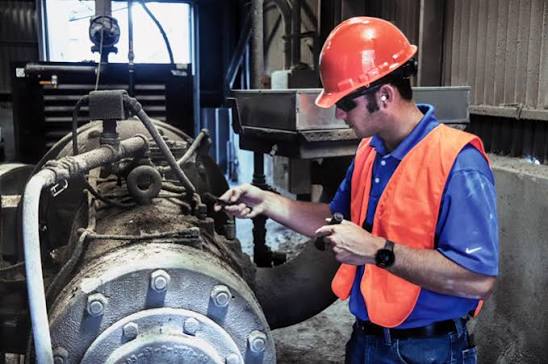
See the machines for yourself; these are the ones that generate revenue. Check for missing or out-of-date card readers, dents, corrosion, or cracked displays, sticky buttons or spills that indicate inadequate maintenance, and a history of frequent repairs in the logs. You inherit machinery that is clean, up-to-date, and well-maintained, so you can start making money right away.
#4 Confirm the location contracts
Locations are the company’s lifeblood. Examine each agreement’s length and conditions, any termination clauses that might abruptly terminate a placement, the revenue-sharing or commission terms with location owners, and if the agreements are verbal or written. Long-term agreements with reliable sites are priceless since you’re purchasing access to clients rather than just equipment.
#5 Check reputation, inventory, and workload

Examine internet reviews and grievances, and inquire with location managers about if the operator maintains machine inventory and promptly resolves problems. Examine the product mix and existing inventory to determine what sells, what doesn’t, and what is about to expire. Additionally, be aware of the actual workload, including the owner’s weekly hours, the frequency of machine refilling, who is responsible for repairs, and whether any employes will remain on. Effective routes, dependable equipment, and a reasonable workload are the ideal combination.
#6 Do the legal and tax homework
Protect yourself before you buy: look up complaints on the Better Business Bureau, look thru public court records for litigation, liens, or judgments related to the company, and ask the state tax office for a clearing letter to make sure there are no unpaid taxes. It is worth the effort to get off to a clean legal start.
#7 Bring in professional help
Even seasoned purchasers don’t close significant agreements by themselves. Employ a technician to check the machines for hidden problems, an accountant to examine the finances, and an attorney to analyze the contracts. These costs provide as inexpensive insurance against taking on someone else’s issues.
#8 How to value an existing vending route
After conducting your investigation, determine the true value of the company and resist the urge to overspend. Vending routes are often priced as a multiple of their yearly net profit, which is typically between 1 and 2×, but it varies greatly depending on contract security and location quality. Two guidelines for negotiating are to know your maximum price before you start, then adhere to it, and to start your offer at least 10–15% below your budget to allow for flexibility.
Lastly, ask the seller to assist throughout a brief period of transition. You learn the routes, machine peculiarities, and important contacts during a few weeks of instruction, which ensures consistent cash flow right away. A platform like VendSoft is designed to keep the numbers honest once you take over by tracking sales, cash collections, and inventory on a daily basis. Check out how much money vending machines make each month to get an idea of how much you’re purchasing.
Option 4: Purchase a franchise for a vending machine. With a franchise, you can purchase training, equipment, and occasionally site assistance for a well-known brand. Depending on the brand, the first investment is usually between $10,000 and $50,000 or more. You give up independence and franchise fees in favor of a more supervised, detached beginning. Customers who prefer structure and brand support over creating things themselves will find it appealing.
What else to budget for
The purchase price is just the beginning, regardless of the route you take. In addition to a company license and, in many places, a per-machine permit, budget for recurring expenses for each machine, including as maintenance, energy, card processing fees, restocking, and any site commission. For ongoing cost ranges, view the whole vending machine cost breakdown. Prior to operating, verify state-specific vending licenses and permissions. Completely new to the industry? Start by reading our guide to launching a vending machine company.
Frequently asked questions
#1 How much does it cost to buy a vending machine?
A used or refurbished vending machine costs between $1,200 and $3,000, whereas a new one costs between $3,000 and $6,000. Because you have to pay for sites, contracts, and current cash flow, purchasing an established route or franchise is more expensive.
#2 How much does it cost to buy a vending route or business?
An existing route is often priced based on its profit, which is typically 1-2 times annual net profit, however this varies greatly depending on the quality of the area and the contracts’ level of security. Before settling on a price, always request financials and confirm that stated sales correspond to actual cash collected.
#3 Is it better to buy new machines or an existing route?
If you want complete control and a reduced initial cost and are prepared to locate your own places, purchase new (or used) machinery. If you want to start making money right away and can afford the greater initial cost, buy an established route—as long as the company passes due diligence on contracts, machinery, and finances.
#4 How do you find vending machines or routes for sale?
Used machines are sourced from online marketplaces and resellers, while new machines are sourced from manufacturers and distributors. Existing routes and businesses are listed through business brokers, business-for-sale marketplaces, and vending machine industry groups. Routes are also found thru industry word-of-mouth and local classifieds.
#5 What should I check before buying an existing vending business?
Check the seller’s motivation, compare the financials to the real money received, examine the equipment, go over the location contracts, assess the company’s reputation and inventory, and complete the necessary legal and tax research (BBB, court documents, a state tax clearance letter). Before closing, get a lawyer and accountant.
#6 Is a license required to purchase and run vending machines?
A company license and occasionally a per-machine permit, which can cost anywhere from $10 to $250 annually, are required by the majority of states and municipalities. Check state-specific vending licenses and permits before opening for business.