Concealer for Dark Circles: How To Choose the Right Formula & Shade
The natural architecture of the face may include dark circles, but the incorrect concealer might make them appear heavier, greyer, or chalkier than they actually are.
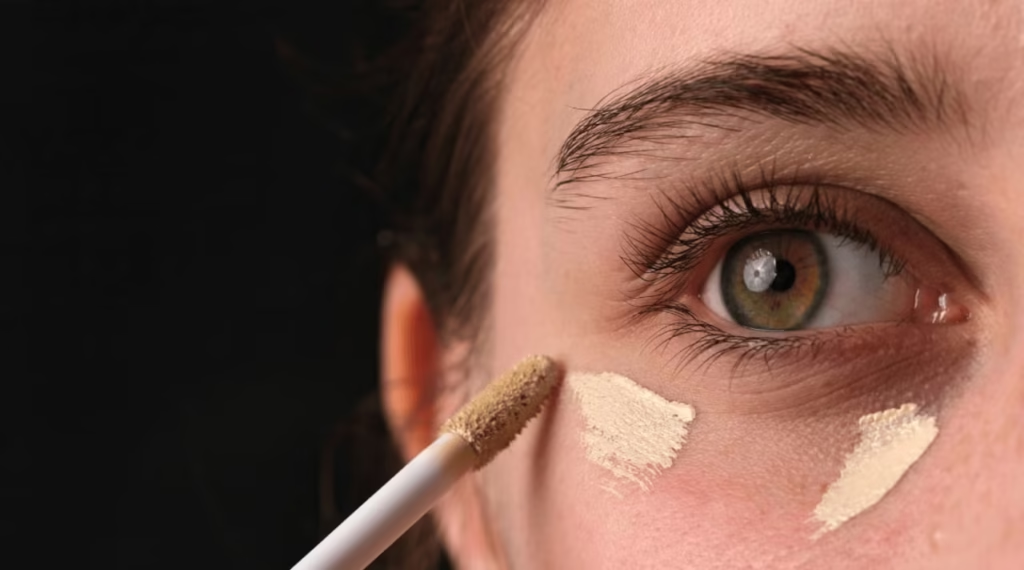
01 Why Choosing the Right Concealer Matters
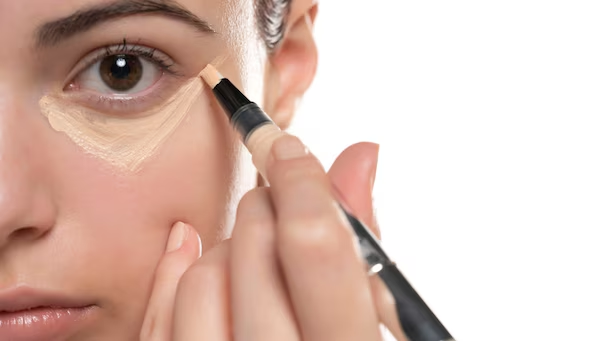
Because the under-eye area is small, mobile, and prone to creases, heavy makeup can quickly fail there, so choosing the appropriate concealer is important. While the incorrect formula can settle into fine lines or produce a grey cast, the right one can brighten the face subtly.
- The right formula improves wear, comfort, and blendability on delicate skin.
- The suitable shade helps neutralise blue, purple, or brown undertones more effectively.
- The finish keeps the eye area fresh rather than masked.
- The right application technique prevents creasing and thickness.
02 How To Choose the Right Concealer Formula
The best concealer isn’t just about finding the right shade—it’s also about picking a formula that complements your skin type, concerns, and desired finish.

Consider texture first while selecting concealer for dark circles. The formula should be appropriate for the degree of darkness as well as the state of the area under the eyes, particularly if the image includes dryness or fine wrinkles.
Liquid Concealers
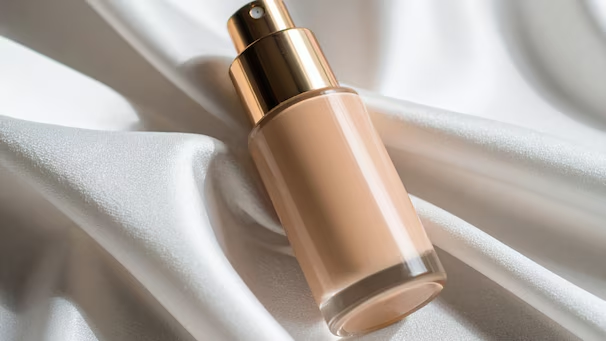
Because they spread smoothly and can appear soft and natural beneath the eyes, liquid concealers are frequently the most adaptable option. They are particularly helpful for persons who prefer a lighter, fresher finish over maximum camouflage, or for mild to moderate darkness. A fluid texture is typically friendlier than a dense stick if your under-eyes have a tendency to seem dry or crepey.
Cream Concealers

Cream concealers bring more pigment and more grip, which makes them useful when circles are pronounced or when the discolouration leans brown. They can deliver stronger coverage, but they need careful blending so the finish does not look heavy. For those who want a polished, camera-ready result, cream can be a smart middle ground between skincare comfort and coverage.
Hydrating Concealers

Cream concealers bring more pigment and more grip, which makes them useful when circles are pronounced or when the discolouration leans brown. They can deliver stronger coverage, but they need careful blending so the finish does not look heavy. For those who want a polished, camera-ready result, cream can be a smart middle ground between skincare comfort and coverage.
Full-coverage Concealers

Cream concealers bring more pigment and more grip, which makes them useful when circles are pronounced or when the discolouration leans brown. They can deliver stronger coverage, but they need careful blending so the finish does not look heavy. For those who want a polished, camera-ready result, cream can be a smart middle ground between skincare comfort and coverage.
Stick Concealers

They are helpful for hiding imperfections, pigmentation, or places that require greater accuracy because of their thicker, more concentrated texture. Even though they can provide remarkable coverage, they work best when blended thoroughly and slightly warmed, especially beneath the eyes where heavier formulae might cause small wrinkles. They’re perfect for anyone who want a more portable, inconspicuous option.
03 How To Choose the Right Concealer Shade for Dark Circles
Fair to medium skin tones are more likely to have bluish or purple under-eye circles, whilst deeper complexions are more likely to have brown or grey pigmentation. You can choose a concealer or corrector that neutralizes your discolouration rather than making it appear ashy by knowing if it leans blue, purple, brown, or grey.
Understanding Undertones

If they have a brown complexion, a concealer that is slightly brighter or closer to your skin tone might work better than one that is really fair. The crucial thing is that the concealer shouldn’t just lie on top of the darkness like a pale patch; rather, it should work against it.
Colour Correcting Basics
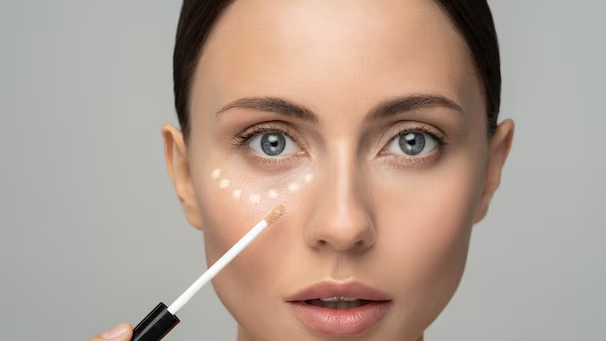
The idea is straightforward: conceal second, rectify first. The Lakmē 9to5 Hya Beach Edit SPF Corrector + Concealer is a product that combines rapid brightening, color correction, and concealing in one step. Its included brush facilitates focused placement while on the go.
Shade Matching Tips
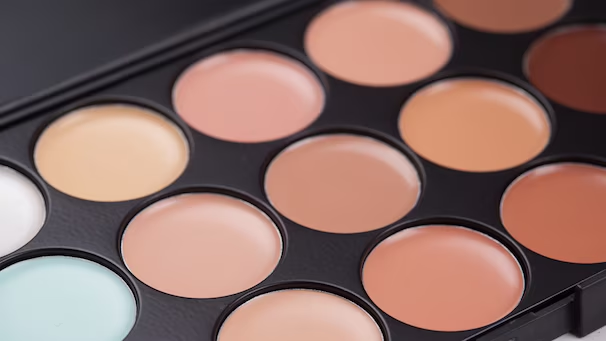
Additionally, because the under-eye requires lightening rather than a sharp contrast, experts advise matching to the shadow area specifically rather than the rest of the face. If in doubt, lean toward being slightly peachy or warm rather than icy pale, especially for medium to deep complexion tones.
04 How to Apply Concealer for Dark Circles
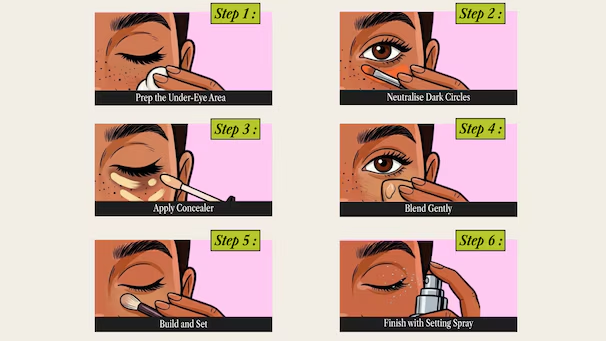
Step 1: Prep the Under-Eye Area
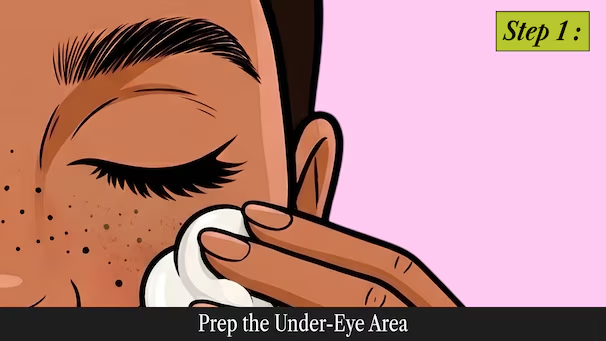
To prevent the concealer from settling into fine wrinkles and to produce a smooth base, let it absorb fully.
Step 2: Neutralize Dark Circles
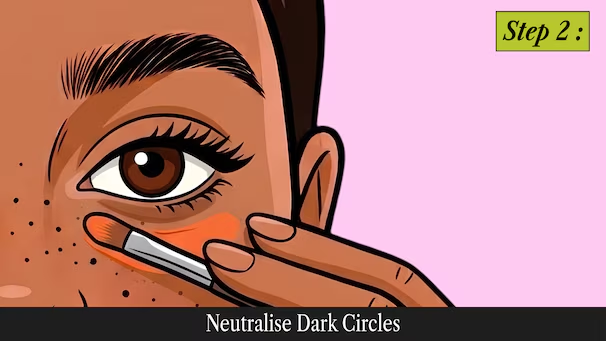
If your under-eye circles are prominent, apply a peach or orange color corrector before concealer. Blend it gently to cancel out discoloration while keeping the application light.
Step 3: Apply Concealer

Instead of covering the entire under-eye area, apply a few tiny dots to the darkest section, outside corner, and inner corner.
Step 4: Blend Gently

For a smooth, natural-looking finish, blend with light patting motions.
Step 5: Build and Set

Next, apply a tiny coating of translucent powder beneath the eyes to reduce creasing and secure everything.
Step 6: Finish with Setting Spray

Finish your makeup procedure with a setting spray to let the concealer last longer and keep your under-eye region looking fresh all day.
05 Common Concealer Mistakes To Avoid
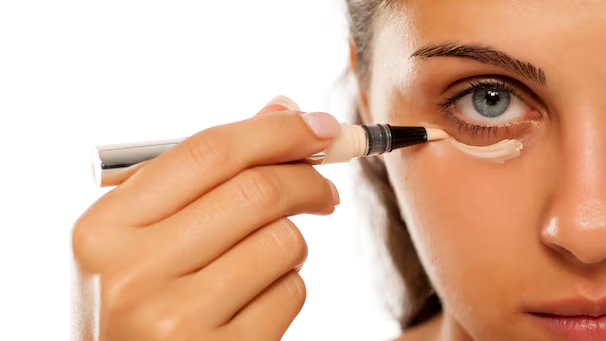
Only smart products can make the under-eye area forgiving. A few minor mistakes can destroy the entire effect.
- Using a concealer that is too light, which can make circles look greyer or more obvious
- Applying too much product, which invites creasing and heaviness
- Ignoring undertones and choosing by skin tone alone
- Swiping instead of tapping, which can disturb coverage and texture
- Using bright reflective formulas on areas with texture, where they may emphasise the problem rather than blur it
06 Conclusion
Concealer should not obliterate the face, but rather make it appear rested. Once you learn the formula, undertone, and placement, concealer for dark circles becomes a tailored regimen rather than a guess.