How Seasonal Makeup Color Analysis Can Help You Find Your Most Flattering
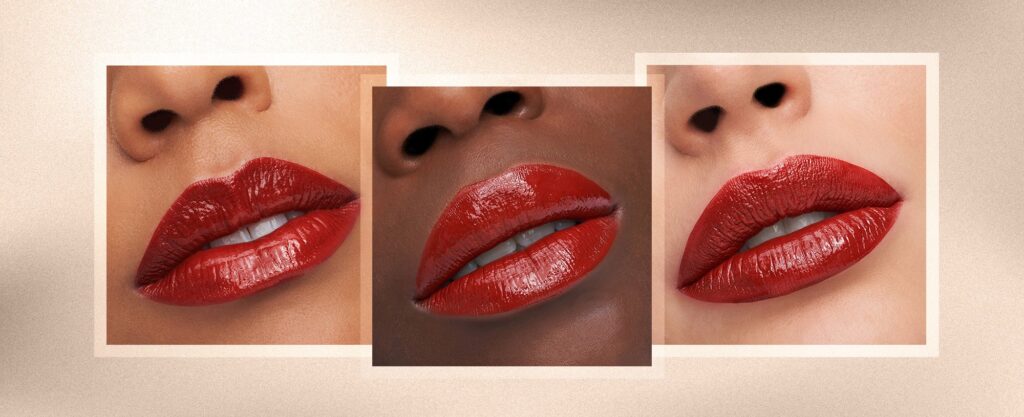
You’re not alone if you’ve ever stood in the makeup aisle and wondered, “What colors look best on me?” You can utilize seasonal makeup color analysis to reduce your selections instead of swatching every eyeshadow in the store.
This method, which went viral on TikTok lately, divides people into seasonal palettes (Spring, Summer, Autumn, and Winter) according on contrast levels, skin tone, and hair color. Color analysis can be just as helpful for locating makeup, even if it’s frequently used to direct fashion decisions. In addition to being esthetically pleasing, the proper hues can lighten your complexion, provide balance, and make daily routine easier. We’ll go over a seasonal color analysis guide ahead so you can choose the makeup that really suits you without having to guess.
What Is Seasonal Color Analysis?
A method called seasonal color analysis can be used to determine which clothing and makeup colors best accentuate your features. Based on skin tone, hair color, and eye color, it divides people into four major “seasons”: Spring, Summer, Autumn, and Winter. Following that, each season is further divided into three groups according to three important criteria: chroma (bright vs. muted), value (light vs. deep), and undertone (warm vs. cool). The end product is a customized palette that makes it simpler to determine which hues will accentuate rather than overpower your complexion.
The idea first emerged in the 1980s, but it has recently experienced a significant comeback owing to TikTok, where creators employ beauty color theory to explain why particular lipsticks, eyeshadows, or blush hues just appear to “click.” Although color analysis is typically performed by professionals, you may determine your season on your own if you know what to look for (more on that later).
What Are The Benefits of Knowing Your Color Season?
Tho there are advantages that go beyond that, knowing your color season might help you choose the colors that suit you the best. A seasonal color analysis could be helpful for the following reasons:
- Enhancing your features: Wearing shades that align with your color season makes your skin appear brighter, your eyes more vibrant, and your overall look youthful. The right colors highlight your natural beauty rather than competing with it.
- Simplifying your routine: Knowing your palette takes the guesswork out of selecting shades. It narrows down the lipstick, eyeshadow, and blush shades that flatter you, making your beauty routine easier in the long run.
- Boosting confidence: Understanding your color season gives you subtle but powerful confidence. Whether putting together a makeup look or planning an outfit, it can help you make choices that allow you to put your best self forward.
The Four Seasons of Color Analysis
Now that you understand the fundamentals, we’ll go into more detail about the many color seasons and how to identify your own. For more information and advice on which colors go best with your skin tone, continue reading.
Spring
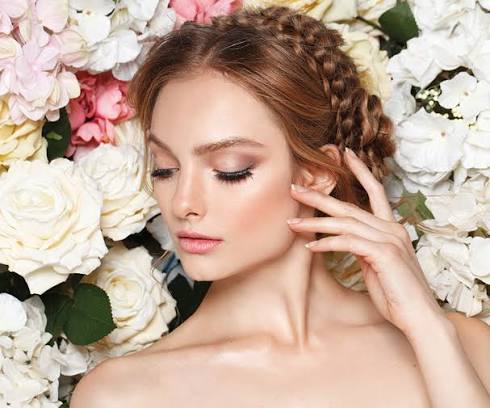
Warmth and light are the hallmarks of the spring color season. These people usually have brilliant blue, green, or hazel eyes, golden blonde or light brown hair, and warm-toned complexion. By evaluating the intensity of your skin and eye color as well as the degree of contrast between your hair and complexion, you can further determine where you belong in the spring category.
- Light spring: Light springs typically have fair skin with lighter eyes and hair, and there’s minimal contrast between features.
- True spring: The skin has noticeable warm undertones, and there’s some contrast between features.
- Bright spring: The skin has less distinct warmth, and there tends to be a lot of contrast between hair, skin, and eye color. These features can be fair or deep—what matters most is the contrast and intensity.
Warm-toned colors, such as peaches, corals, and warm golds, are usually the greatest choices for springs when it comes to makeup and clothing. While bright springs can explore with more vivid, bold hues, light springs typically discover that pastel tones go best with their coloring.

Try using a warm, peachy blush, such the Glowy Gold Pink L’Oréal Paris Lumi Le Liquid Blush, to match your skin tone. For a modern appearance ideal for daily use, you can combine it with a pinky-nude lip gloss (we adore the L’Oréal Paris Plump Ambition Hyaluron Lip Oil in Latte Glacé). attempt using bright pink makeup on a bare face if you want to attempt something a little stronger. We vote for the L’Oréal Paris Paradise Le Shadow Stick in Cloudy Rose because it’s the ideal shade of petal pink for brightening your skin.
Summer
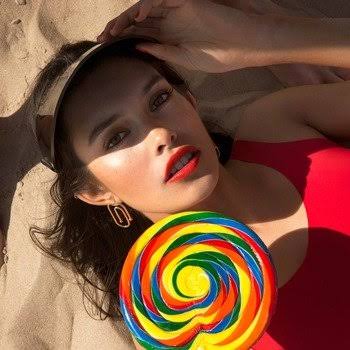
Coolness and gentleness are characteristics of the summer color season. This group typically has ash blonde or cold brown hair, blue, gray, or light green eyes, and cool-toned complexion with pink or rose overtones. Summers are characterized by a muted, blended appearance with a softer contrast between features than other color schemes. By examining the depth of your coloration and the degree of contrast between your skin, hair, and eyes, you can further ascertain where you fall within the summer group.
- Light summer: Light summers typically have light, cool-toned skin, hair, and eyes. Contrast is minimal, so the overall effect is airy and, well, light.
- True summer: True summers have distinctly cool undertones and moderate contrast between features. The most common eye colors for true summers include blue, green, and hazel.
- Soft summer: This subtype is the most blended, with muted tones across skin, hair, and eyes.
Coolness and gentleness are characteristics of the summer color season. This group typically has ash blonde or cold brown hair, blue, gray, or light green eyes, and cool-toned complexion with pink or rose overtones. Summers are characterized by a muted, blended appearance with a softer contrast between features than other color schemes. By examining the depth of your coloration and the degree of contrast between your skin, hair, and eyes, you can further ascertain where you fall within the summer group.
Autumn
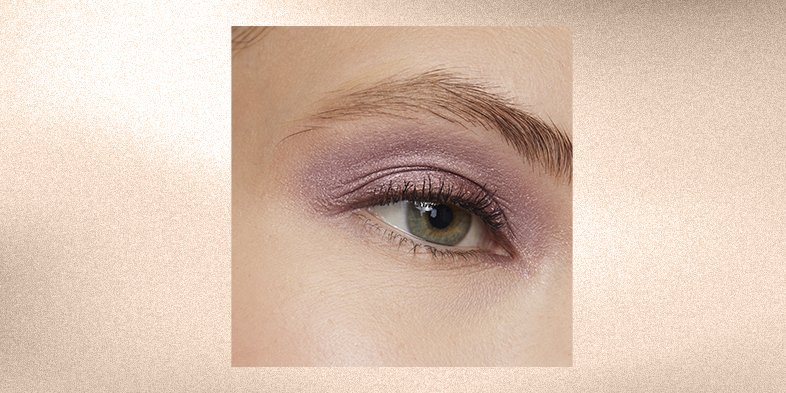
Warmth and depth are hallmarks of the autumn color season. Those who fall into this category often have golden or olive-toned skin, rich brown, auburn, or dark blonde hair, and green, hazel, or warm brown eyes. Compared to spring, autumn coloring is deeper and more earthy, with features that tend to have stronger contrast and richness. You can refine your placement within the autumn palette by considering the depth or intensity of your features.
- Soft autumn: Soft autumns have warm skin and hair, typically in muted earth tones such as golden bronde or copper brown.
- True autumn: True autumns show clear warmth in their undertones and have a moderate level of contrast between their hair, skin, and eyes. Those in this category may be described as looking naturally tan.
- Deep autumn: Deep autumns have dark hair and eyes, warm-toned skin, and significant contrast between their features.
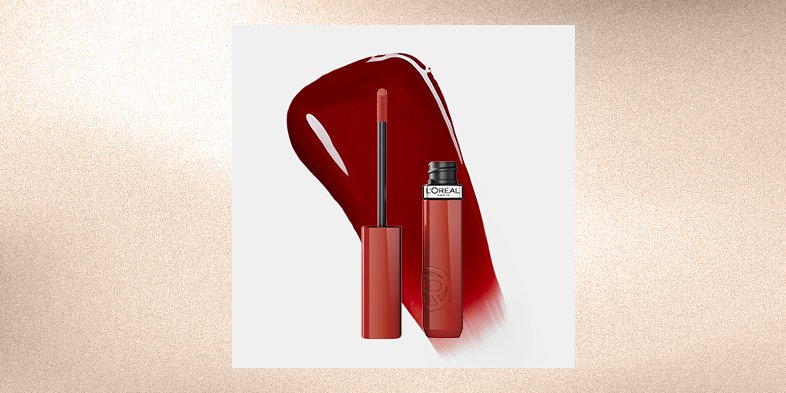
Warm, earthy hues—such as those you’d probably notice on a walk in the park in late October—are ideal for autumnal cosmetics and attire. Try wearing a peachy-gold blush, such as the L’Oréal Paris Lumi Le Liquid Blush in Dewy Rich Coral, with brown eyeliner and a glossy nude lip for a midday look that will highlight the natural warmth of your complexion. Use a bold brick-red lipstick to elevate your cosmetic look after dark. We adore the L’Oréal Paris Infallible Lacque Resistance Liquid Lipstick at Café Parisien if you need a recommendation.
Winter
Coolness and contrast are characteristics of the winter color season. Winters have chilly undertones in their skin, just like summers do, but the main distinction is in intensity. Winters are striking, with a stark contrast between their features, whereas summers seem gentle and mellow. Individuals in this group typically have dark brown or black hair, icy blue, green, or deep brown eyes, and light or deep complexion with cold undertones.
- Cool winter: Cool winters, as the name suggests, have distinctly cool-toned features (skin, hair, and eyes). Their features tend to be bright and clear, though contrast between features is on the softer side.
- True winter: True winters have cool-toned skin and a moderate amount of contrast between their features.
- Deep winter: Deep winters tend to have a high amount of contrast between their features—think ultra-fair, cool-toned skin and jet-black hair.
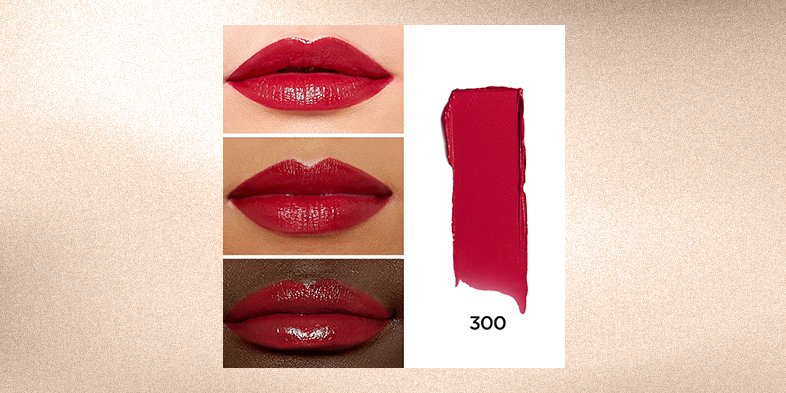
In general, rich cool-toned colors like emerald green, navy blue, fuchsia, and blue-reds work well for winter. The natural contrast between your skin and hair is complemented by the intensity of these rich, vibrant colors. For instance, applying a deep hunter green eyeshadow, such as the L’Oréal Paris Paradise Le Shadow Stick in Twilight Emerald, could make your eyes stand out. Alternatively, choose a traditional blue-red lipstick, like the L’Oréal Paris Color Riche Satin Lipstick in Le Rouge Paris, to make your lips the focal point of your ensemble. Keep in mind that, in order to avoid overpowering your appearance when wearing vibrant colors, it’s best to concentrate on just one aspect.
How To Determine Your Color Season
There are two methods you may use if you want to undertake a color analysis for makeup to determine your optimal palette: the professional method and the self-guided method. Below, we’ll dissect both.
DIY seasonal color analysis
You should evaluate your skin tone, undertone, hair color, and eye color to decide your color season at home. For the best view, move outside or close to a window because natural lighting is crucial. You can use this to determine if you are cool-toned (summer or winter) or warm-toned (spring or autumn). Next, check how your skin appears in various clothes or cosmetics shades and note which hues work best.
You’ll be able to pinpoint your precise season with this. Lastly, decide which of the three sub-seasons best suits your coloring by evaluating your overall contrast level and the strength of your features. To narrow down your season, you might also utilize internet tests or color-matching TikTok filters, but it’s crucial to remember that some are more accurate than others.
Professional seasonal color analysis
The main distinction between a professional seasonal makeup color analysis and a self-guided one is that professionals typically have access to more tools. Typically, they will place swatches or colorful textiles next to your face to see how each contrasts with your complexion. They can consider things like whether or not you color your hair, and they will evaluate your undertones, contrast, and chroma more accurately.
Experts can also offer advice on outfit and makeup selections, developing a unified color scheme according to your individual coloring. The DIY method is definitely your best option if you don’t want to pay a professional to inform you which colors look best on you because, in the end, the process is comparable to what you’d do at home.