How To Use Setting Powder for a Long-Lasting Makeup Look
Setting powder can be a game-changer in your makeup routine.
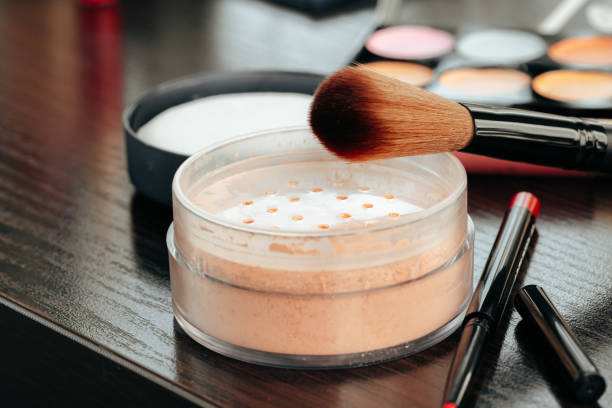
There’s nothing more annoying than spending time and effort putting on your makeup, only to have it fade or melt away after a few hours. Using setting powder at the end can help your makeup last longer, but you need to know how to use it the right way so it looks smooth and not cakey.
Even though it seems easy, there are some common mistakes to watch out for. Next, we’ll show you how to put on setting powder the right way and tell you what to avoid so your makeup looks great all day.
What Is Setting Powder?
Setting powder is a type of powder that helps keep liquid or cream makeup like foundation and concealer in place. It can be loose or pressed into a compact and is usually clear or only a little colored.
When you put setting powder over your liquid makeup, it helps your makeup stay put so it doesn’t smudge, fade, or slide off during the day. Many setting powders also make your skin look smoother by hiding tiny lines and bumps, and they reduce shine to give your face a soft, flawless look.
Types of Setting Powder
Before we talk about how and where to put setting powder, it’s helpful to know about the different kinds of powders you can use.
Pressed vs. loose powder
- Pressed powder: Pressed powder typically comes pressed into a compact, like blush or eyeshadow. These formulas are typically used to help mattify unwanted shine and touch up the skin, though they can also be used to set makeup.
- Loose powder: Loose setting powders are lightweight, finely-milled formulas that typically come in a jar. They tend to provide a soft, blurred finish and can be used to set products as well as bake under-eye makeup. Because they’re so lightweight, loose powders are generally suitable for all skin types. A standout option is a talc-free formula that gently blurs, brightens, and controls shine throughout the day.
Translucent vs. tinted powder
- Translucent powder: Translucent powders typically appear white in the jar (or compact) but appear undetectable on the skin. They’re a great option for those who want to set their foundation and concealer without adding any extra coverage.
- Tinted powder: Sheer tinted setting powders are typically used to color correct—light pink options, for example, are often used to help brighten the under-eye area, while yellow powders (sometimes referred to as banana powders) can help diminish the appearance of sallowness. There are also more intensely pigmented powders that can be used to set your liquid makeup. this is one such example—the long-lasting formula can be worn alone for a smooth matte finish or dusted on top of liquid makeup to help lock it in place and add extra coverage where needed.
How To Apply Setting Powder
After picking the best makeup for you, putting on setting powder is usually easy. Here’s what you should do.
Prep your skin
To make your makeup go on smoothly and evenly, it’s helpful to prepare your skin first. Start with a moisturizer to keep your skin soft and wet. Then, put on a primer that matches your skin needs. If you have oily skin, a mattifying primer can help control shine.
If your skin has uneven color, a color-correcting primer can make your skin look more even. Let the primer sit for a minute or two to soak in. After that, put on your foundation and concealer just like you normally do.
Select your tools
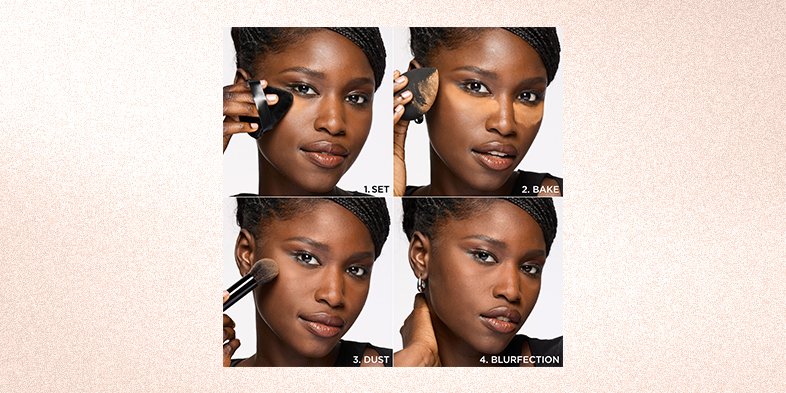
Picking the right tools is very important when putting on setting powder. If you want to put the powder all over your face to help keep your makeup in place and reduce shine, use a soft, fluffy brush or a gentle powder puff. These help you put on just a little bit for a natural look. If you want to bake your makeup, use a small makeup sponge—these pointy tools help you put the powder exactly where you want it.
Apply your setting powder
Before putting on your makeup, decide where to put setting powder to get the look you want. If you want to stop shiny spots, dust a little powder on your forehead, nose, and chin. Use just a small amount so your face still looks natural and not flat.
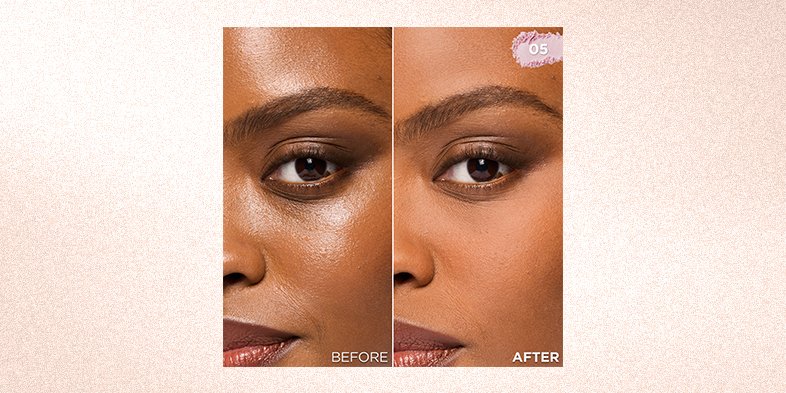
If you want your makeup to stay on longer and look matte, use a sponge to press a thick layer of makeup onto the areas you want to set. Let it sit for a few minutes so it can settle and stay in place. If you want your under-eye area to look brighter, use a tinted powder instead of clear powder, like a pink-colored one that helps fix color and smooth out imperfections for a nice, even look.
Remove excess product
After putting on setting powder, softly brush away any extra with a clean, fluffy brush. This helps the powder mix nicely with your skin, making it look natural and not shiny. Be sure to pay attention to areas like your nose and under your eyes where the powder might pile up, so your face doesn’t look heavy or cakey.
The main idea is to make your makeup smooth and set, but still look fresh and natural. Blending well is very important to make everything look perfect.
Optional: finish with setting spray
If you want, you can spray a special mist on your face. This makes your makeup stay in place and look smooth. Just spray it gently to help the powder melt into your skin, making your face look natural and shiny. The spray helps the powder blend well so your makeup doesn’t look chalky or dry. It also helps your makeup last a long time, keeping you looking fresh for up to 36 hours.
Common Mistakes To Avoid
Here are some common mistakes to watch out for when using setting powder to make your makeup look better.
- Applying too much powder: The most common mistake in learning how to use setting powder is applying an excessive amount of product. This can result in a heavy, cakey look and cause your makeup to settle into fine lines. Instead, use a light dusting of powder—you can always add more if you find you need it.
- Using the wrong shade: Choosing a setting powder that’s too light or dark for your skin tone can lead to a pale or uneven appearance. Opt for a translucent powder or a shade that matches your skin tone for a natural-looking result.
- Not blending properly: Failing to blend the powder well can leave visible, powdery patches on your skin. Be sure to buff out any excess powder with a clean brush for a smooth, seamless finish.
The Best Setting Powders for Different Skin Types
Setting powders usually work well for all skin types, but if you’re unsure which one is best for you, we can help. Keep reading to find out what to look for in a setting powder based on your skin type and what you need.
- Oily skin: Mattifying setting powders are ideal for those with oily skin, as they can help control shine and keep the skin looking smooth and balanced. Many can also help blur the appearance of enlarged pores—a common concern for those with oily skin. As for whether to use a pressed powder or a loose powder, it doesn’t really matter: Choose whichever option works best for you.
- Dry skin: If you have dry skin, it’s important to take care when selecting and applying your setting powder—you don’t want your product to cling to dry patches or emphasize texture. Generally, a lightweight, finely milled loose powder is best for this skin type. Be sure to apply it only where needed (rather than dusting it all over your face) to help prevent your skin from looking dull or flat.
- Combination skin: Those with combination skin can use either loose or pressed powders—the formula doesn’t matter so much as your application approach. To keep your skin looking balanced and fresh, we suggest applying your setting powder only to areas prone to shine, such as the nose, forehead, and chin.